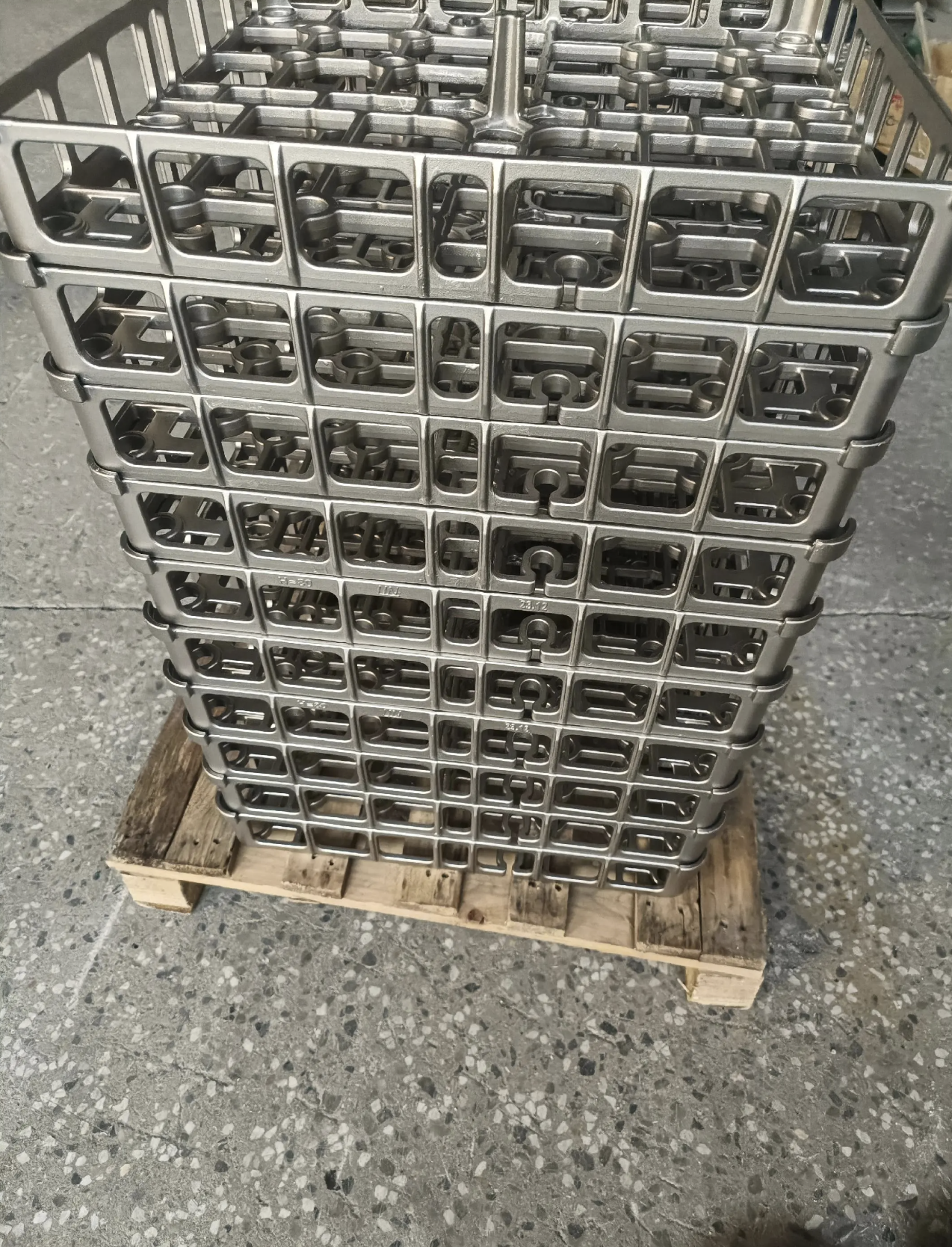

Factors Affecting the Strength of Stainless Steel Heat-Resistant Castings
The properties of heat-resistant steel castings are subject to changes, which become particularly prominent under certain specific conditions. Taking the strength of heat-resistant steel castings as an example, what are the main influencing factors?
Temperature is a primary factor. Temperature fluctuations exert a substantial impact on all materials, including heat-resistant steel. Frequent startup and shutdown of furnaces, overloading and other operating conditions cause working temperature variations. Such fluctuations accelerate the creep of the material and reduce its rupture strength.
Stress is another key factor. The stress level inside heat-resistant steel castings varies depending on test temperature, notch geometry, stress rupture ductility of the steel, heat treatment processes and chemical composition. It further affects the brittleness of the material, so this factor must be fully considered in design work.